

Drum Heads
Drums & Percussion






Choosing The Best Drumhead
Selecting the right drumhead is a critical decision for drummers, as it directly impacts the sound, feel, and performance of your kit. With a wide range of materials, thicknesses, and coatings available, each drumhead offers unique tonal qualities and playing characteristics suited to different musical styles and preferences. Whether you're a beginner seeking durability or a seasoned player chasing the perfect resonance, understanding the key factors in choosing a drumhead can elevate your drumming experience. Let us help you explore the essential considerations in finding the ideal drumhead for your needs.
Batter vs. Resonant Heads
A batter head is the drumhead you strike with sticks, mallets, or brushes to produce sound. It's the top head on snare drums and toms, or the side you hit on a bass drum. Batter heads are designed to withstand impact, so they’re typically thicker and more durable, and they play a major role in shaping the drum’s attack, tone, and sustain. They come in various types, like single-ply for brighter tones or double-ply for warmer, more focused sounds.
A resonant head is the bottom head on snare drums and toms or the front head (facing the audience) on a bass drum. It’s not struck directly but vibrates in response to the batter head, enhancing the drum’s resonance, sustain, and tonal depth. Resonant heads are usually thinner to maximize vibration and are tuned to complement the batter head, balancing the overall sound.
1-Ply vs. 2-ply Drumheads
A 1-ply drumhead consists of a single layer of material, typically mylar, making it thinner and more responsive. It produces a brighter, more open tone with greater resonance and sustain, allowing the drum’s natural voice to shine through. Single-ply heads are often favored for genres like jazz, pop, or acoustic music where clarity and articulation are key. However, they are less durable and may not hold up as well under heavy playing or aggressive styles.
A 2-ply drumhead is made of two layers of material bonded together, which makes it thicker and more durable. This construction dampens some of the drum’s overtones, resulting in a warmer, more focused tone with reduced sustain and a punchier attack. Double-ply heads are popular in rock, metal, and heavier styles where durability and a controlled sound are preferred. They can withstand harder hitting but may sacrifice some of the drum’s natural resonance.
Clear Drumheads
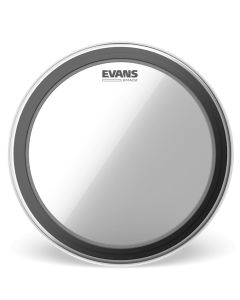
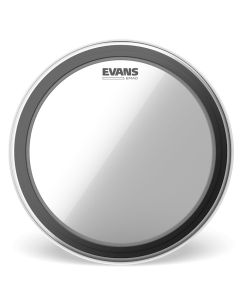
Single or double-ply heads made of transparent mylar with no coating. They produce a bright, open, and resonant tone with clear attack and sustained overtones. Clear heads emphasize the drum’s natural sound, making them versatile for genres like pop, jazz, or fusion. They’re often used as resonant heads to maximize vibration or as batter heads for a crisp, articulate sound. For an example of a clear head check out the Evans EMAD2 Clear Bass Drum Head.
Coated Drumheads
These heads have a thin layer of coating (usually a white or textured material) applied to the playing surface of a single or double-ply head. The coating adds warmth, slightly mutes overtones, and provides a textured feel that enhances brushwork and stick response. Coated heads are popular for snare drums especially as well as toms in genres like rock, blues, or jazz, offering a balanced tone with a slightly controlled sustain. For an example of a coated head check out the Remo Ambassador Coated.
Hydraulic Drumheads
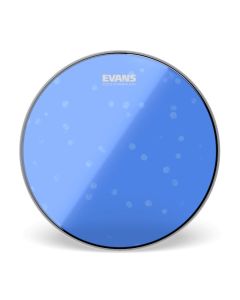
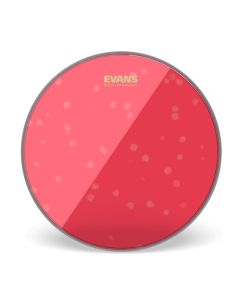
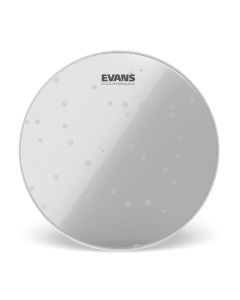
Double-ply heads with a thin layer of oil sealed between the plies, which significantly dampens overtones and shortens sustain. They deliver a fat, punchy, and very focused sound with minimal resonance, making them ideal for heavy-hitting styles like rock, metal, or punk. Hydraulic heads are extremely durable but can sound "dead" in quieter or more nuanced settings. For an example of a hydraulic head check out the Evans Hydraulic Red.
Ebony Drumheads
Typically single or double-ply heads with a black finish, often made with a denser or specialized mylar for a darker aesthetic and sound. They produce a warm, focused tone with reduced overtones and shorter sustain compared to clear heads. Ebony heads are often used for visual appeal (e.g., on stage) and in genres like rock or gospel where a deep, controlled sound is desired. For an example of an ebony head check out the Remo Pinstripe Ebony.